Why Retaining Walls Fail and How to Prevent Long-Term Damage
Common Reasons Retaining Walls Fail Over Time
Retaining walls are built to hold back soil, but they deal with a lot of pressure every single day. Over time, that pressure can cause problems if the wall was not designed or built correctly. Some of the most common reasons retaining walls fail include poor drainage, weak base preparation, and not enough reinforcement inside the concrete. These issues may not show up right away, which is why failures often seem sudden.
Good news with retaining walls is that they are preventable. When a wall is planned with the right materials, proper support, and smart design choices, it can last for decades. Understanding why walls fail is the first step toward building one that stays strong, safe, and reliable for years to come.
How Poor Drainage Causes Retaining Walls to Crack or Lean
Water is considered to be the biggest threat to retaining walls. When water builds up behind the wall, it adds extra pressure that the wall was never meant to handle. This trapped water pushes against the concrete, causing cracks, bulging, or a slow lean over time. In colder climates, trapped water can freeze and expand, making the damage even worse.
Proper drainage gives water a clear path to escape. This often includes gravel backfill, drain pipes, and weep holes that release pressure. When water can flow away freely, the wall stays lighter, stronger, and much more stable. Good drainage is essential for long term performance.
Soil Pressure and Why It Puts Retaining Walls at Risk
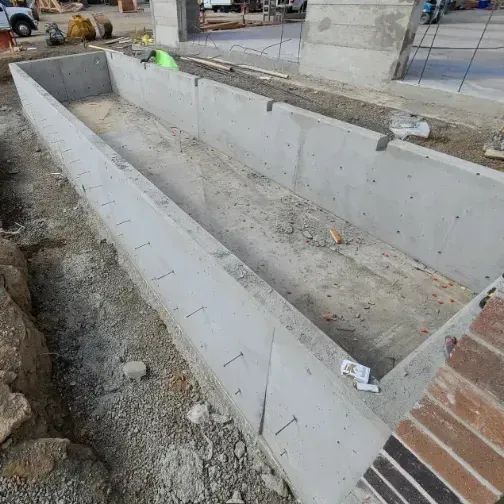
Soil may look harmless, but it is heavy, especially when it gets wet. As soil presses against retaining walls, it creates constant force that the wall must resist. If the wall is not thick enough or properly supported, that pressure can cause cracks or movement over time.
Different soils behave in different ways. Clay soils hold water and expand, while sandy soils drain faster but can shift. A well built retaining wall takes the soil type into account and is designed to handle that pressure safely. When soil pressure is managed correctly, the wall stays firm and dependable.
The Role of Proper Base Preparation in Retaining Walls
A strong wall always starts with a strong base. If the ground underneath retaining walls is not compacted and leveled correctly, the wall can settle unevenly. This often leads to cracks, tilting, or sections pulling apart. Even the best concrete cannot make up for a weak foundation.
Proper base preparation includes removing soft soil, adding compacted gravel, and making sure everything is level before the wall is built. This solid base helps distribute weight evenly and keeps the wall from shifting. It may take extra time upfront, but it saves years of trouble later.
Why Reinforcement Matters in Concrete Retaining Walls
Concrete is strong, but it performs best when it has proper support built inside it. In many retaining walls, steel rebar is placed within the concrete to add strength and flexibility. This reinforcement helps the wall handle constant pressure from soil and water without cracking or shifting. Without reinforcement, concrete can become stiff and more likely to break when stress builds up over time.
Reinforcement also allows the wall to act as one solid structure instead of separate sections. This unity helps the wall resist movement and stay balanced as conditions change. A properly reinforced retaining wall is more dependable, more stable, and far better equipped to stand up to long term wear.
How Water Buildup Behind Retaining Walls Leads to Collapse
When water has no clear path to escape, it can build up quickly behind a retaining wall. This trapped water increases weight and pressure, putting extra strain on the structure. In some cases, that pressure can grow strong enough to cause cracking, leaning, or sudden failure, especially after periods of heavy rainfall.
Stopping water buildup starts with smart planning. Materials like drainage stone, filter fabric, and drainage pipes work together to guide water away from the wall. When water is able to flow freely, the wall stays balanced, supported, and able to perform its job without unnecessary stress.
Signs Your Retaining Walls Are Starting to Fail
Retaining walls often show early warning signs before serious problems develop. Small cracks, slight leaning, or visible gaps between blocks can all signal that something is not working as it should. You may also notice soil washing out or water pooling near the wall, which often points to drainage problems building behind it.
Noticing these signs early can save time, stress, and repair costs. Minor adjustments or repairs can restore stability before damage spreads. Paying attention to these early clues helps protect your property and keeps your retaining wall safe, stable, and dependable for years to come.
How Proper Design Extends the Life of Retaining Walls
Good design goes beyond appearance and focuses on how a wall works and stays safe. Well planned retaining walls take height, soil conditions, drainage, and reinforcement into account from the start. These elements work together to support the wall and help it remain stable and durable over time.
A carefully designed wall also prepares for future challenges like heavy rainfall or natural soil movement. When long term performance is part of the plan, the wall holds up better and needs less upkeep. Thoughtful design helps prevent unexpected issues and gives homeowners greater confidence and peace of mind.
Maintenance Tips That Help Retaining Walls Last Longer
Even well built retaining walls benefit from regular care and attention. Keeping drainage areas clear, looking for small cracks, and paying attention to how water moves around the wall can help prevent future problems. These simple maintenance habits go a long way in protecting the structure and avoiding costly repairs later on.
It is also important to avoid placing heavy weight near the top of the wall and to keep nearby plants under control. Proper drainage and routine inspections help retaining walls remain strong, stable, and visually appealing for many years to come.
How to Prevent Retaining Walls Failure With Professional Installation
The best way to avoid retaining wall failure is to have it built right from the start. Professional installation ensures that drainage, base preparation, and reinforcement are all handled correctly. Every detail matters when it comes to long term strength and safety.
If you are planning a new wall or worried about an existing one, now is the perfect time to take action.
Contact Nava Concrete, proudly serves
Vancouver, providing dependable retaining wall solutions built to last.
Call
(360) 721-8093 today to schedule a consultation and take the first step toward a stronger, safer outdoor space.