How to Spot Early Signs of Concrete Sidewalk Damage
Common Early Warning Signs of Concrete Sidewalk Damage
A concrete sidewalk may look strong, but early warning signs often appear before serious damage develops. Small cracks, rough spots, or slight shifts in the surface can all signal that the concrete is beginning to weaken. These signs usually appear slowly and are easy to overlook if homeowners are not paying attention.
Taking time to walk around your property can reveal helpful clues. You may notice fine cracks spreading across the sidewalk, edges beginning to lift, or areas where water collects after rain. Recognizing these early signs helps prevent larger repairs later. Regular observation allows homeowners to protect their concrete sidewalk and maintain a safe walkway.
Small Cracks in a Concrete Sidewalk That Should Not Be Ignored
A small crack in a concrete sidewalk might seem harmless at first. However, cracks often indicate that the concrete is experiencing stress. Changes in temperature, shifting soil, or normal wear from foot traffic can gradually create these small openings in the surface.
Once a crack forms, water can enter and begin causing additional damage. When water freezes during colder weather, it expands and pushes the crack wider. Over time, the crack can grow longer and deeper. Addressing small cracks early helps protect the sidewalk from further damage. Regular inspections allow homeowners to spot these changes before repairs become more complicated.
Uneven Sections of a Concrete Sidewalk That Can Create Trip Hazards
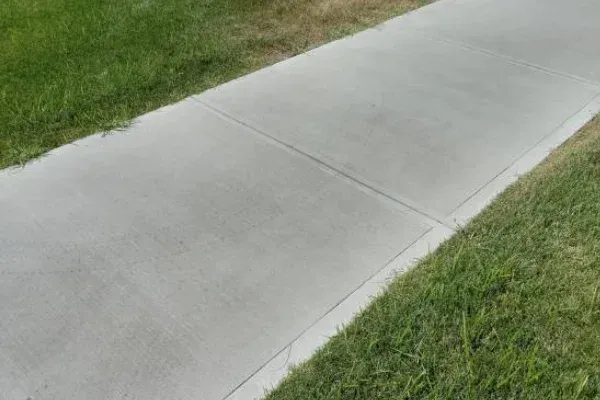
Uneven areas are one of the most noticeable problems with a concrete sidewalk. Even a small height difference between two slabs can create a tripping hazard for anyone walking across the surface. These uneven sections often develop slowly as the soil beneath the concrete shifts.
Soil movement may occur because of moisture changes, settling ground, or nearby roots pushing upward. When one section rises or sinks, the sidewalk loses its smooth and level appearance. Uneven sidewalks can become safety concerns if not addressed early. Paying attention to these changes helps homeowners maintain a safer walkway around their property.
How Water Drainage Problems Affect a Concrete Sidewalk
Water can have a powerful effect on the condition of a concrete sidewalk. When rainwater or sprinkler runoff collects on the surface, it may slowly weaken the concrete over time. Pooled water often finds its way into small cracks or porous areas.
As water continues to sit or seep beneath the sidewalk, the soil underneath may begin to shift or erode. This movement can cause sections of the concrete to settle unevenly or crack. Good drainage plays an important role in protecting sidewalks. Observing where water gathers after storms can help homeowners identify possible drainage issues early.
What Surface Spalling Reveals About Your Concrete Sidewalk
Surface spalling occurs when the top layer of a concrete sidewalk begins to break apart or flake away. This damage may appear as rough patches, small pits, or peeling areas along the surface. At first, these spots may seem minor.
Spalling often happens when moisture enters the concrete and weakens the outer layer. Over time, weather exposure and foot traffic can worsen the damage. As the surface breaks down, more of the underlying concrete becomes exposed. Early attention can prevent spalling from spreading further. Maintaining the sidewalk surface helps preserve both appearance and durability.
Why Tree Roots Often Cause Concrete Sidewalk Damage
Trees add beauty and shade to many properties, but their roots can sometimes interfere with a concrete sidewalk. As roots grow beneath the ground, they expand outward in search of water and nutrients. When they encounter concrete slabs, they may push upward.
This upward pressure can cause sections of the sidewalk to lift or crack. Homeowners may begin to see slight rises in the sidewalk or sections of concrete that appear to move out of place near nearby trees. Over time, these changes may become more visible. Understanding how roots interact with concrete helps homeowners protect both their trees and sidewalks. Proper planning can reduce the chances of root related sidewalk damage.
When Discoloration on a Concrete Sidewalk Signals Deeper Issues
Discoloration on a concrete sidewalk can sometimes reveal underlying problems. Dark stains, uneven color patches, or faded areas may develop over time. These changes often appear when moisture remains on the surface or becomes trapped within the concrete.
While color changes do not always mean serious damage, they can indicate that the sidewalk is experiencing wear. Moisture exposure, weather conditions, or surface erosion may all contribute to these visual changes. Observing discoloration can help homeowners recognize early signs of deterioration. Monitoring these areas helps ensure the sidewalk remains in good condition.
How Seasonal Weather Can Impact a Concrete Sidewalk
Seasonal weather changes can gradually affect the condition of a concrete sidewalk. Throughout the year, concrete expands and contracts as temperatures rise and fall. These natural movements place stress on the material.
During colder months, water trapped inside small cracks may freeze and expand, widening the cracks further. In warmer weather, heat causes the concrete to expand slightly, adding additional pressure to weak areas. These repeated cycles slowly wear down the structure of the sidewalk. Checking the sidewalk after major weather changes helps homeowners identify early damage.
Simple Ways to Inspect Your Concrete Sidewalk for Hidden Damage
Inspecting a concrete sidewalk is a simple task that homeowners can perform without special tools. A careful walk around the property often reveals early signs of wear that might otherwise go unnoticed. Looking closely at the surface can help identify potential issues.
During an inspection, homeowners should observe any new cracks, shifting sections, or spots where water frequently gathers. Even small changes in the surface may signal developing problems. Routine inspections allow homeowners to catch damage early. Paying attention to these details helps maintain a safe and durable concrete sidewalk.
When Concrete Sidewalk Repairs Should Be Handled by Professionals
Some problems with a concrete sidewalk require the knowledge and tools of experienced professionals. When cracks spread, slabs shift, or sections begin breaking down, professional repairs can restore both safety and appearance.
If you notice these signs around your property, it may be time to seek expert help. Nava Concrete in Vancouver works with homeowners to repair damaged sidewalks and maintain long lasting concrete surfaces. For assistance with your sidewalk, contact Nava Concrete at (360) 721-8093. A professional evaluation can help protect your property and ensure your concrete sidewalk remains safe.