Seasonal Concrete Sidewalk Maintenance Tips

Michelle Lee • July 21, 2026

Why Seasonal Maintenance Matters for Concrete Sidewalks

Concrete sidewalks may seem strong enough to handle anything, but they still need steady care. Rain, cold air, foot traffic, and changing temperatures can slowly wear down the surface. For property owners, seasonal maintenance helps keep sidewalks safer, cleaner, and better looking throughout the year.


A little attention now can help prevent bigger problems later. When concrete is ignored, small cracks can spread, water can settle in low spots, and the surface can become rough or uneven. Simple maintenance gives your sidewalk a better chance to last longer and stay easier to use.


How Cold, Wet Winters Affect Concrete Sidewalks

Cold, wet winters can be tough on concrete sidewalks because moisture finds its way into small cracks and surface openings. When temperatures drop, that moisture can freeze and expand. This pressure can slowly make cracks wider and cause the surface to weaken over time.


The damage often starts quietly. At first, you may only see a tiny crack or a small rough patch. After a season or two, that same area can become more noticeable. Understanding how winter affects concrete helps property owners act early, before small issues become expensive repairs.

Inspect Your Sidewalks Before Winter Weather Arrives
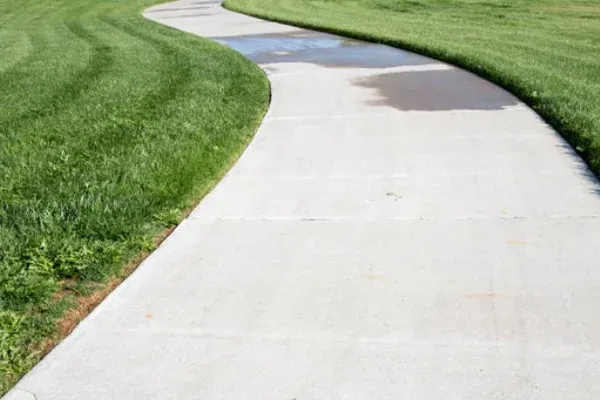
Curved concrete path winding through a green grassy lawn

Before winter weather becomes a problem, take a slow walk around your property and look closely at your concrete sidewalks. Notice any cracks, chips, uneven spots, crumbling edges, or places where water collects after rain. These small signs can tell you where the sidewalk may need care.


This kind of inspection does not take long, but it can be very helpful. When you catch damage early, you have more time to plan repairs or sealing. It also helps you reduce tripping risks and keep your property looking cared for before colder weather settles in.


Seal Concrete Sidewalks to Help Protect Against Moisture

Sealing concrete sidewalks is one way to help protect them from moisture. A concrete sealer creates a protective layer over the surface. This layer helps slow down how much water soaks into the concrete, which can be especially helpful during wet and cold months.


Sealer does not make concrete impossible to damage, but it can give the surface extra support. Think of it like putting a coat on before walking into the rain. The weather is still there, but the concrete has a little more protection against moisture, stains, and seasonal wear.


Choose the Right Time of Year for Sidewalk Sealing

The timing of sidewalk sealing matters because concrete needs the right conditions for the sealer to work well. The surface should usually be clean and dry. If the weather is too cold or too wet, the sealer may not bond the way it should. Giving the sealer the right setting helps it protect the sidewalk better through the wet season.


For many property owners, spring, summer, or early fall can be a better time to seal concrete sidewalks. The goal is to finish the work before the coldest and wettest weather arrives. Planning ahead makes the process easier and helps your sidewalk enter winter with stronger protection.


Use De-Icing Products Safely on Concrete Sidewalks

When ice forms on concrete sidewalks, safety becomes very important. No one wants guests, customers, or family members slipping on the way to the door. De-icing products can help, but they should be used carefully because some products may be harsh on concrete surfaces.


Using too much de-icer can sometimes create more problems than it solves. It is best to follow the product directions and avoid overapplying it. In some cases, sand can help add traction without being as rough on the concrete. The goal is to improve safety while protecting the sidewalk.


Avoid Common De-Icing Mistakes That Can Damage Concrete

One common mistake is thinking that more de-icer always means better results. Spreading too much product can leave residue and may add stress to the concrete surface. Another mistake is using a product without checking whether it is safe for concrete sidewalks.


Newer concrete may need extra care during its first winter because it can be more sensitive to harsh materials. Property owners should clear snow and slush when possible, use de-icers only as directed, and avoid letting chemicals sit too long. Small choices can help prevent unnecessary surface damage.


Keep Water Away from Sidewalks to Help Prevent Cracks

Water is one of the biggest reasons concrete sidewalk problems get worse. If water keeps sitting on the surface or flowing toward the sidewalk, it can slowly wear down weak areas. During cold weather, that trapped water can freeze and expand inside small cracks.


After a heavy rain, look at where the water goes around your property. If it collects near your sidewalk, you may need better drainage, cleaned gutters, or adjusted landscaping. Keeping water moving away from concrete is a simple but powerful way to help prevent cracks from spreading.


Repair Small Sidewalk Cracks Before They Spread

Small sidewalk cracks are easy to ignore because they may not seem serious at first. But those small openings can let water in, and water can make the damage worse over time. Fixing cracks early can help protect the sidewalk and keep it looking cleaner. It can also help property owners avoid larger repairs when wet or freezing weather puts more pressure on the concrete.


Some minor cracks may be repaired with the right crack filler, depending on the condition of the concrete. Larger cracks, uneven sections, or sinking areas may need professional help. The main thing is not to wait until the sidewalk becomes unsafe, harder to repair, or more expensive to fix.

When to Call a Concrete Contractor for Sidewalk Maintenance

Sometimes sidewalk maintenance is simple, and sometimes it needs a professional eye. If your concrete sidewalks have deep cracks, raised sections, drainage problems, or heavy surface wear, a contractor can help you understand the best next step. This may include repair, sealing, or replacement.


For help with concrete sidewalks in Vancouver, reach out to Nava Concrete and call at (360) 721-8093 today. Our team can inspect your sidewalk, explain your options, and help you protect your property before small problems turn into larger issues. A safer, stronger sidewalk starts with the right care.
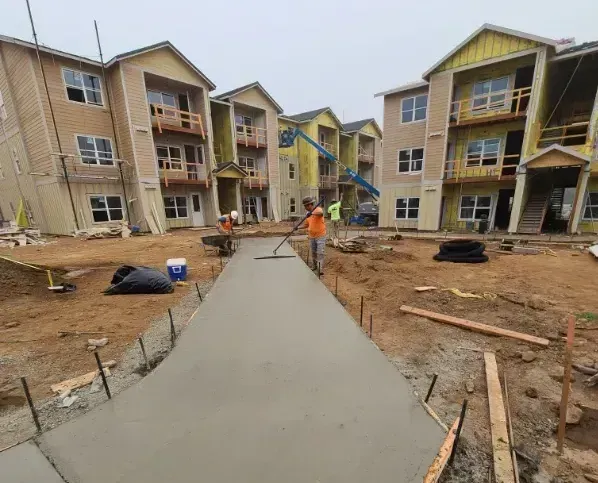
Construction site with fresh concrete walkway between apartment buildings and workers nearby
By Michelle Lee July 23, 2026
Upgrade apartment walkways in Portland with Nava Concrete. We build concrete walkways with safer finishes, decorative options, and better shared spaces.
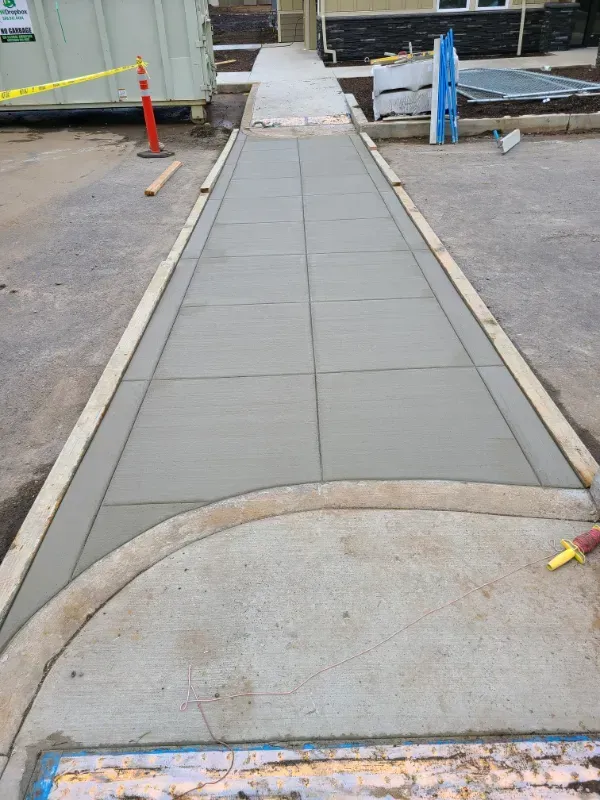
Concrete sidewalk ramp leading to a street, with orange and blue cones on either side.
By Lex Aloro June 18, 2026
Learn how concrete walkway maintenance helps prevent cracks, improve safety, boost curb appeal, and protect outdoor surfaces longer for families year-round.
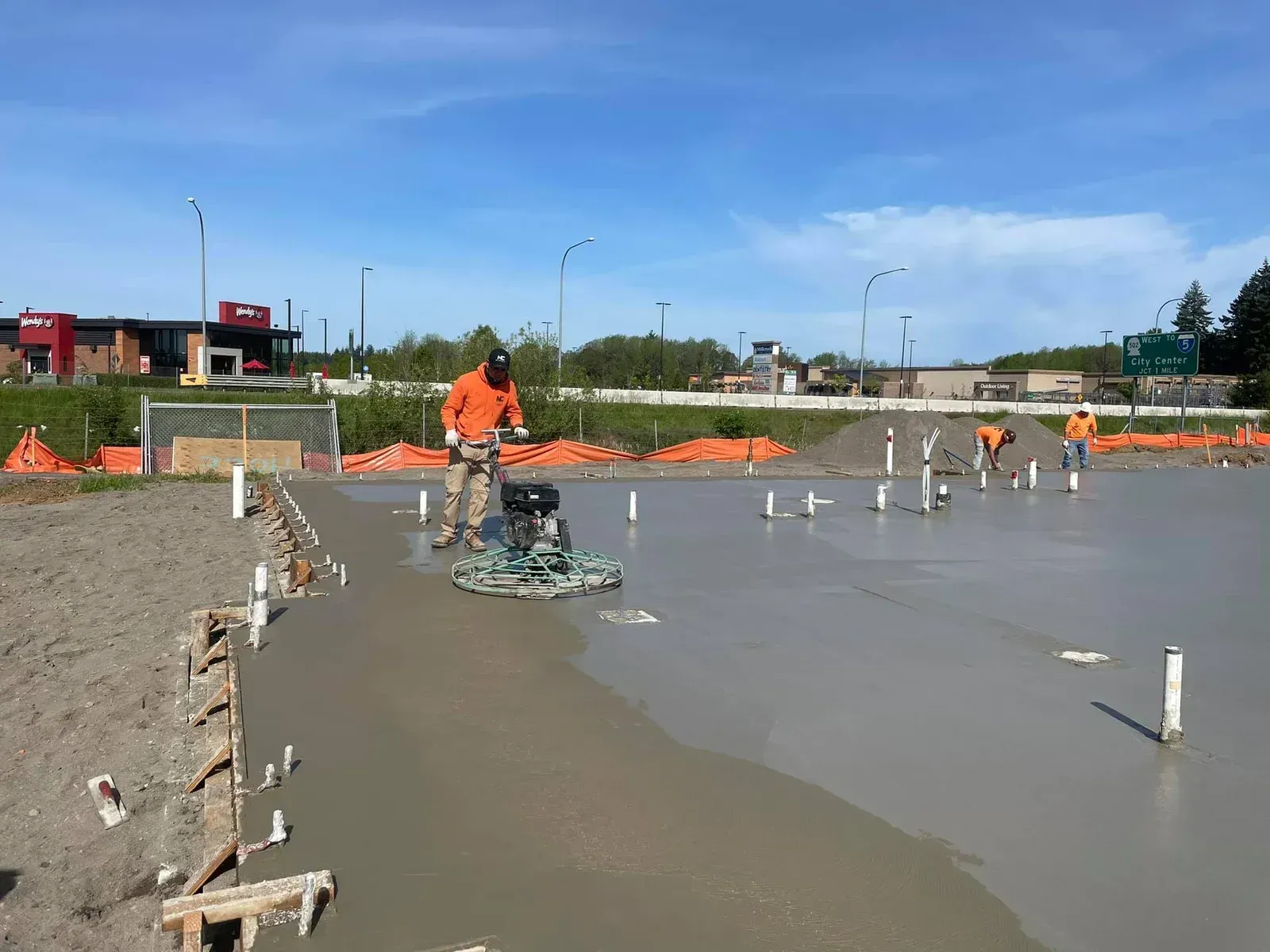
Construction workers finishing a freshly poured concrete slab using a power trowel during a commerci
By Michelle Lee May 19, 2026
Learn what concrete projects can be poured each season in Vancouver, from patios and driveways to repairs, with tips on timing and weather.
A paved concrete pathway curves through a grassy park area with a small puddle on the path.
By Michelle Lee April 16, 2026
Learn how to spot early signs of concrete sidewalk damage, including cracks, uneven areas, and drainage issues before repairs become costly.
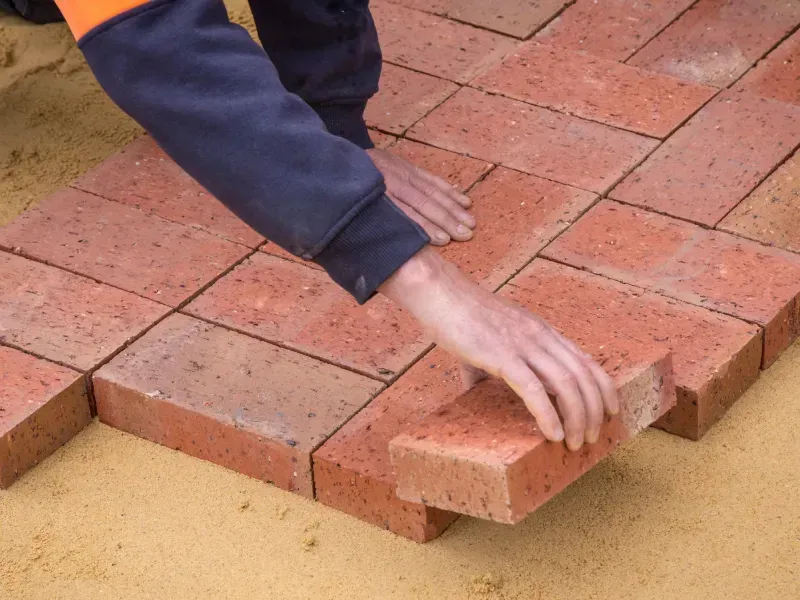
Person laying red bricks in a herringbone pattern on a bed of sand.
By Lex Aloro March 13, 2026
Learn the hidden costs of ignoring sidewalk and walkway damage. Nava Concrete in Vancouver provides safe, durable repairs. Call (360) 721-8093 today.
Three people in safety gear near a building; one cuts the wall with a power saw.
By Lex Aloro February 19, 2026
Learn the most important questions to ask before hiring concrete contractors in Vancouver. Avoid mistakes and choose a contractor with confidence.
Concrete construction: rectangular basin being built outdoors, surrounded by gravel and soil.
By Michelle Lee January 22, 2026
Learn why retaining walls fail due to drainage, soil pressure, and poor design, plus smart ways to prevent damage and extend the life of retaining walls.
Construction workers smoothing wet concrete sidewalk at an apartment complex under construction.
By Michelle Lee December 30, 2025
Discover how concrete sidewalks boost safety, walkability, and property values in residential neighborhoods while creating long-lasting, connected communities.
Person smoothing wet concrete sidewalk with a broom-like tool; street and construction equipment visible.
By Michelle Lee November 25, 2025
Learn how to spot early signs of concrete sidewalk damage, prevent costly repairs, and keep your walkway safe with expert tips for homeowners.
New concrete sidewalk under construction next to a brick building; construction site in background.
By Michelle Lee October 29, 2025
Discover the differences between residential and commercial concrete projects. Learn how each type is built for durability, purpose, and long-lasting results.