Can You Pour Concrete During Portland’s Rainy Season?
Pouring Concrete During Portland's Rainy Season
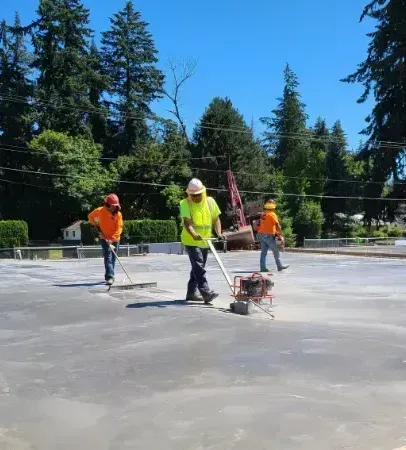
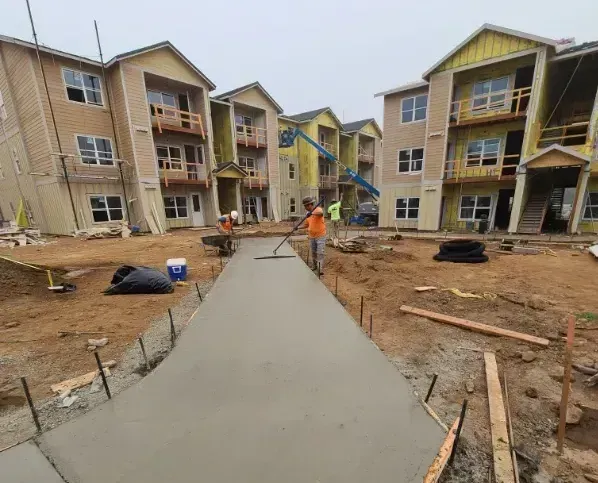
Portland is known for green trees, beautiful neighborhoods, and plenty of rainy days. That does not mean concrete projects have to stop every time clouds roll in. Concrete can often be poured during Portland's rainy season when the weather is carefully watched and the job site is properly prepared.
A good concrete crew does not simply look outside and hope for the best. They check the forecast, temperature, ground conditions, and expected rainfall before scheduling a pour. Sometimes a cloudy day with a small chance of rain is perfectly workable. Other times, heavy rain moving into the area means waiting another day is the smarter choice.
How Rain Affects Freshly Poured Concrete
Fresh concrete needs the right balance of cement, water, sand, and stone to become strong. When heavy rain falls directly onto freshly poured concrete, it can add extra water to the surface. Too much water may weaken the top layer, change the finish, or leave marks that are difficult to fix later.
Timing matters too. Concrete becomes more resistant to rain as it begins to set. Rain that falls immediately after the pour can cause more trouble than rain that arrives several hours later. This is why contractors pay close attention to weather during the first few hours. Protecting the surface during this early stage can make a big difference in how the concrete looks and performs.
How a Concrete Contractor Plans Around Wet Weather
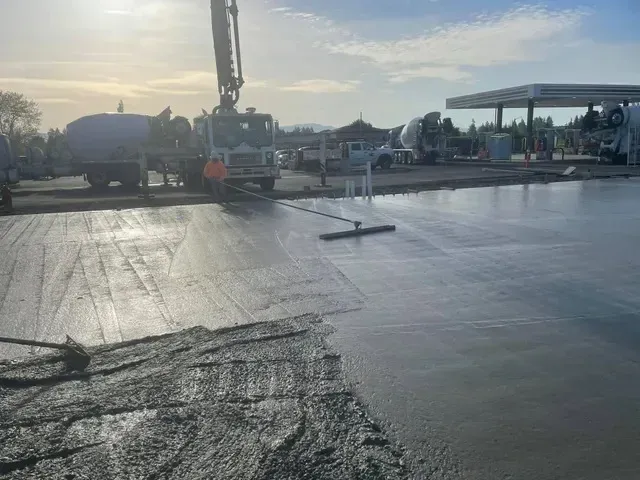
An experienced concrete contractor understands that weather is part of the job, especially in the Pacific Northwest. Before a pour begins, the contractor may check several weather forecasts instead of relying on a quick glance at a phone app. Rainfall amount, timing, temperature, wind, and humidity can all affect the plan.
The crew may also prepare backup protection before the concrete truck arrives. Plastic sheeting, temporary covers, and other materials can be kept nearby in case unexpected rain develops. The goal is simple: be ready before there is a problem. Good planning allows contractors to take advantage of workable weather windows without putting the finished concrete at unnecessary risk.
Rain Conditions That Can Delay a Concrete Pour
Not every rainy day requires a delay. Light rain that is expected later in the day may not affect a project at all. Heavy rain during the planned pour, however, is another story. A strong downpour can fill the prepared area with water, soften the soil underneath, and interfere with finishing the surface.
Heavy or steady rainfall, standing water, muddy soil, thunderstorms, and rain expected during the finishing process can all give a contractor a good reason to delay the pour. Moving the project by a day can sometimes prevent years of frustration. Concrete is a long-term investment, so choosing better conditions is usually worth the short delay.
Protecting Fresh Concrete From Portland Rain
Imagine spending hours carefully pouring and smoothing a new patio only to have a sudden storm appear. That is exactly why protection is often prepared ahead of time. Contractors may use plastic covers or temporary shelters to keep rain from landing directly on fresh concrete while it begins to harden.
The cover must be placed carefully. Plastic touching soft concrete can leave marks, so contractors may support the covering above the surface when possible. They also watch where rainwater drains. Water should move away from the new slab instead of collecting along the edges. These small details can help keep an unexpected shower from becoming a much bigger problem.
The Role of Temperature in Concrete Pouring
Rain is not the only weather condition contractors watch. Temperature matters too. Concrete hardens through a chemical process, and temperature affects how quickly that process happens. Very cold weather can slow it down, while very hot weather can make concrete set faster than expected.
Portland's cooler rainy months can actually provide workable temperatures for concrete when conditions are managed correctly. The bigger concern is often a combination of cold temperatures, wet ground, and heavy rain. A contractor looks at the whole weather picture rather than focusing on one number. That helps determine whether the concrete can be poured safely or whether waiting will produce a better result.
Preparing the Job Site Before Wet Weather
A strong concrete project begins under the concrete. The ground needs to be prepared so it can support the slab. During rainy weather, this becomes especially important because water can soften soil and create muddy or unstable areas underneath the project.
Before pouring, contractors may remove excess water and check the base for soft spots. Gravel or other base materials may also be compacted to create steady support. Drainage around the project matters as well. Water should have somewhere to go instead of collecting underneath the slab. Proper preparation may not be the most exciting part of the project, but it is one of the biggest reasons concrete stays strong.
Using Weather Forecasts to Schedule Concrete Work
A weather forecast can become one of the most important tools on a concrete project. Contractors often look beyond the little rain icon on the screen. They want to know when rain may arrive, how heavy it could be, and how long it is expected to last. Sometimes this creates a perfect opening for the project.
Rain may be expected overnight, followed by several dry hours the next morning. That window may provide enough time to pour, finish, and protect the concrete. Other forecasts may show rain throughout the entire day. In that case, rescheduling can make more sense. Flexible scheduling helps contractors work with Portland weather instead of fighting against it.
Preventing Rain Damage During the Curing Process
Concrete may look finished once the surface becomes hard, but important changes are still happening inside. This period is called curing. During curing, concrete continues gaining strength. Keeping the conditions stable helps the slab become stronger and more durable over time. Interestingly, moisture itself is not always bad during curing.
Concrete actually needs moisture as it gains strength. The problem is uncontrolled heavy rain hitting the surface too soon or water washing across the slab. Once the concrete has properly set, normal Portland moisture becomes much less concerning. Following the right curing process helps protect driveways, patios, sidewalks, and other concrete surfaces long after installation day.
Working With a Portland Concrete Contractor During Rainy Season
Portland weather can change quickly, but that does not mean your concrete project has to wait until summer. The right contractor knows how to watch conditions, prepare the site, protect fresh concrete, and recognize when postponing a pour is the better choice. That experience can help you feel confident even when rain appears in the forecast.
Reach out to Nava Concrete and call at (360) 721-8093 to discuss your concrete project in Vancouver. The team can help you plan around rainy weather, choose the right time to pour, and protect your concrete so your driveway, patio, walkway, or other project gets a strong, lasting finish.