What Makes a Good Concrete Foundation for a New Structure?
Why a Strong Concrete Foundation Matters for a New Structure
A new room, garage, shop, or backyard structure needs more than good walls and a nice roof. It needs a solid base. A strong concrete foundation supports the weight above it, helps keep floors level, and reduces movement that can lead to cracks, gaps, or sticking doors over time.
A well built foundation also protects your investment for years. Good concrete, proper reinforcement, careful drainage, and correct installation all work together to create lasting support. When the foundation is done right from the start, the rest of the structure has a much better chance of staying strong, stable, and dependable.
How Proper Site Preparation Helps Prevent Foundation Problems
Before concrete is poured, the site needs careful preparation. Crews remove plants, roots, loose soil, old materials, and other debris that could make the ground unstable. The area is then dug to the proper depth and shaped so the foundation can rest on firm ground.
Good site preparation also makes it easier to check elevations, drainage, and form placement before the pour begins. This step may seem simple, but it can prevent serious problems later. Taking extra time to prepare the ground correctly gives the new foundation a stronger start and helps reduce settling and movement over time.
What Type of Soil Is Best for a Concrete Foundation in Vancouver
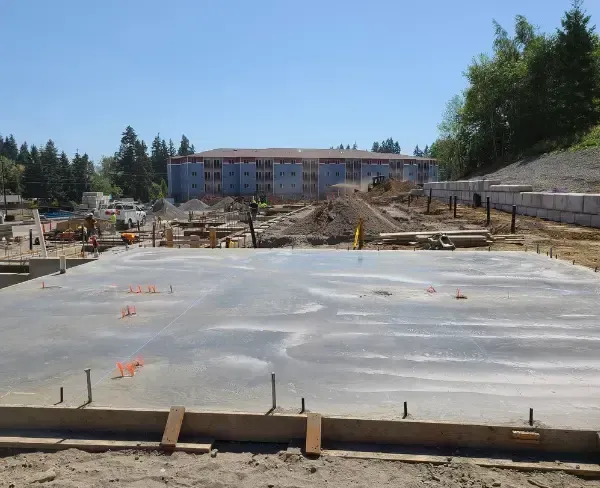
Soil plays a bigger role in foundation strength than many homeowners realize. Some soils drain well and stay firm, while others hold water, shift, or expand. Before building a concrete foundation in Vancouver, the soil should be checked to make sure it can properly support the planned structure.
If the ground is soft, wet, loose, or filled with organic material, extra preparation may be needed. Weak soil can be removed and replaced with compacted gravel or another suitable base. The goal is to create steady support so the concrete is less likely to move as weather and seasons change outside.
Why Soil Compaction Is Important Before Pouring Concrete
Loose soil can settle after a foundation is poured, and that movement can cause the concrete above to shift. Compaction presses soil or gravel together so the base becomes dense and firm. A stable base gives the foundation better support and helps reduce sinking, uneven areas, and cracking.
Compaction is usually done in layers instead of packing a deep area all at once. Each layer is pressed firmly before more material is added. This method builds strength from the bottom up and creates a more dependable surface for the concrete, helping the finished foundation stay level and secure over time.
How Reinforcement Makes a Concrete Foundation Stronger
Concrete is very strong when it is under pressure, but it can crack when it bends or stretches. Reinforcement helps handle those forces. Steel rebar is often placed inside the foundation before the concrete is poured, giving the finished foundation added strength where it needs support.
The size, spacing, and placement of rebar all matter. It must sit in the correct position so it can do its job properly. Reinforcement is especially important where the foundation carries heavy loads or may face movement, helping the concrete resist stress and stay stable for many years with fewer cracks and less strain.
Why Proper Drainage Protects Your Foundation From Water Damage
Water can create serious problems around a foundation. If rain collects beside the concrete or stays trapped in the soil, it can cause erosion, moisture issues, and unwanted movement. Good drainage helps move water away from the structure instead of allowing it to sit against the foundation.
Drainage may include proper grading, gravel, drains, gutters, or downspouts, depending on the property. In a rainy area like Vancouver, planning for water is especially important. A strong foundation needs quality concrete, but it also needs a site designed to manage moisture and direct water safely away during periods of heavy seasonal rain.
How Footing Depth and Size Affect Foundation Strength
Footings sit at the bottom of many foundations and spread the weight of the structure across the soil. If they are too small, too shallow, or placed on weak ground, the foundation may not have enough support. Their size and depth should match the project and site.
A small shed and a large home addition do not place the same amount of weight on the ground. That is why footing design matters. When footings are properly sized and installed, they provide a strong starting point and help distribute the structure's weight more evenly across the soil for dependable lasting support.
Why Proper Concrete Mixing and Pouring Matter for Long-Term Durability
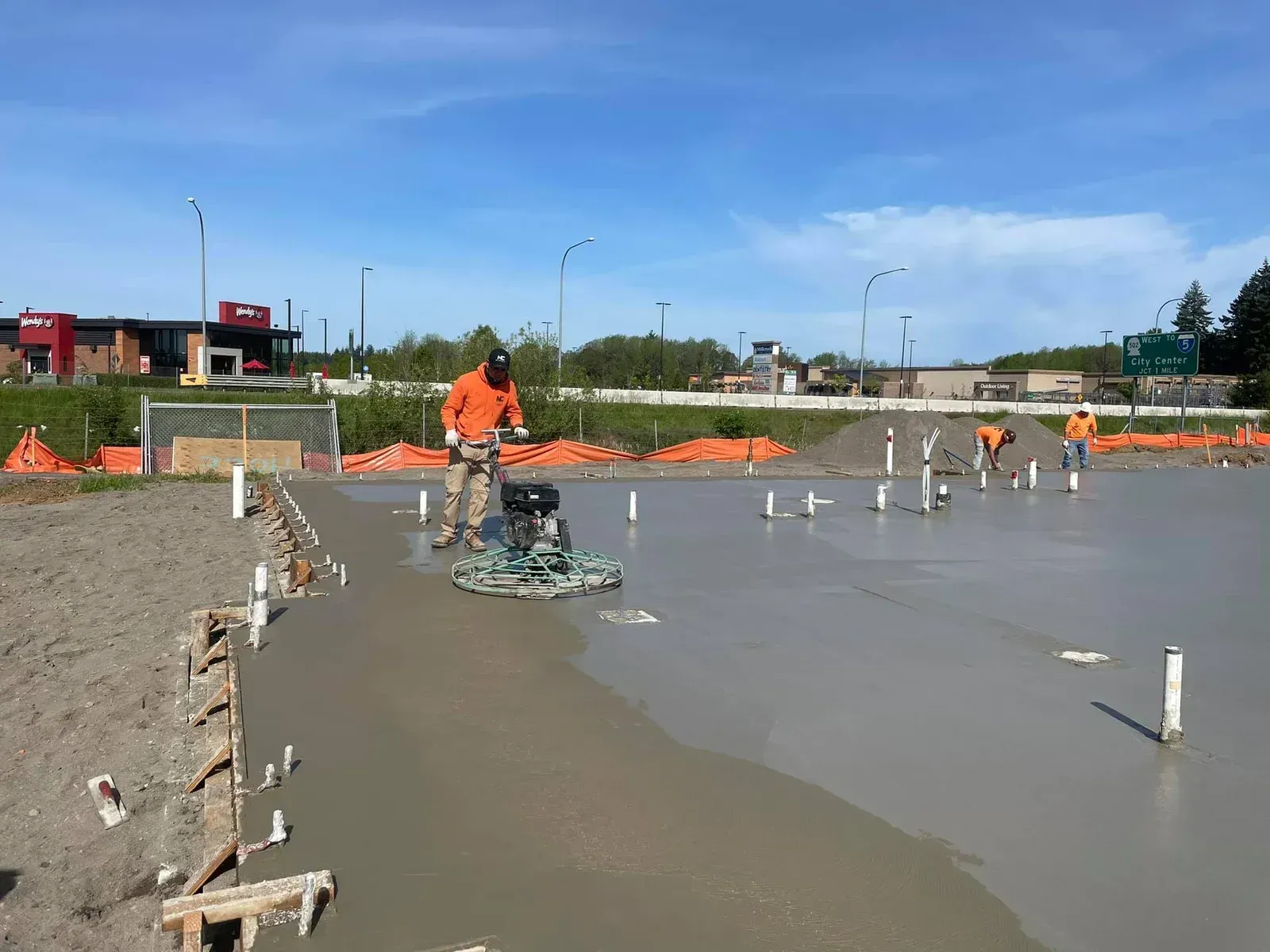
Concrete may look like a simple gray mixture, but the ingredients and proportions matter. Too much water can weaken the concrete, while poor mixing can create uneven results. During the pour, the concrete should fill the forms properly and surround the reinforcement without leaving large empty spaces inside.
Timing and curing matter too. Crews need to place and finish the concrete carefully, then allow it enough time to gain strength. Rushing the process or ignoring weather conditions can hurt the final result. Proper mixing, pouring, finishing, and curing all help create a foundation that lasts longer and performs much better.
Common Concrete Foundation Installation Mistakes to Avoid
Foundation problems often begin with small shortcuts. Poor soil preparation, weak compaction, incorrect forms, missing reinforcement, bad drainage, or too much water in the concrete mix can all cause trouble. Rushing without checking measurements and elevations can also create uneven areas or expensive repairs later.
Homeowners can protect their project by asking questions before the work begins. Ask how the site will be prepared, how water will drain, what reinforcement will be used, and how the concrete will cure. A good contractor should explain each step clearly and make the entire process easy to understand from first visit through completion.
Choosing the Right Contractor for a Concrete Foundation in Vancouver
A good foundation starts with a contractor who understands that the details below ground matter just as much as the concrete you can see. Look for a team that considers soil, drainage, reinforcement, footings, site preparation, and proper installation while communicating clearly throughout the project.
If you are planning an addition or new structure, Nava Concrete is ready to help.
Reach out to Nava Concrete in Vancouver to discuss your concrete foundation project and what your property needs.
Call (360) 721-8093 today to get started with a strong, dependable foundation designed to support your new structure for years to come.