Concrete Walkway Maintenance Tips for Safe Homes Today
Understanding Why Concrete Walkways and Sidewalks Wear Down Over Time
Concrete walkways and concrete sidewalks handle constant pressure from daily foot traffic, weather changes, moisture, and outdoor debris throughout the year. Sunlight, rain, and changing temperatures slowly weaken concrete surfaces over time around residential properties.
Homeowners should pay close attention to early warning signs before larger problems develop later. Small repairs are usually easier and less expensive when completed quickly. Regular inspections help keep walkways safer while protecting the appearance, strength, durability, and long lasting condition of outdoor concrete surfaces everywhere.
Common Cracks That Appear on Concrete Walkways Before Major Damage
Small cracks are usually the first warning signs that concrete walkways may need maintenance or professional repairs. Some cracks appear naturally as concrete settles over time, while others form from moisture, temperature changes, heavy weight, or shifting soil below the surface. Even thin hairline cracks can spread and create damage.
Homeowners should inspect walkways often for widening gaps, broken corners, uneven sections, and long cracks across outdoor surfaces. Water entering damaged concrete can weaken surrounding areas during rainy weather and seasonal temperature changes. Early repairs help prevent expensive damage while improving appearance, durability, safety, and strength.
Warning Signs Your Concrete Sidewalks May Become a Safety Hazard
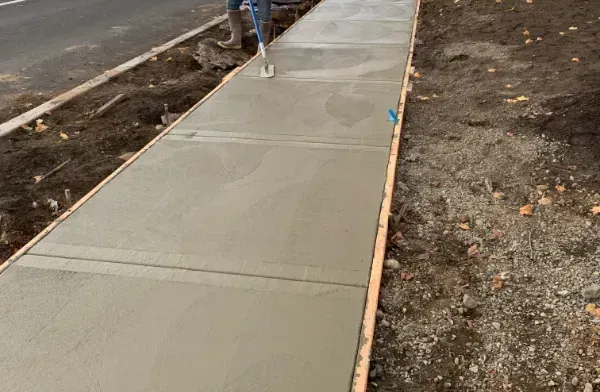
Concrete sidewalks should remain smooth, level, and safe for everyone walking around residential properties each day. Uneven slabs, raised edges, broken sections, and deep cracks can quickly turn into dangerous tripping hazards for homeowners, visitors, children, and older adults. Even small areas of damage may increase accident risks when repairs are delayed too long.
Homeowners should regularly inspect sidewalks for loose concrete, slippery spots, sinking sections, and spreading cracks throughout outdoor spaces. These warning signs often grow worse over time and create larger safety concerns later. Routine inspections help catch problems early before injuries happen.
How Weather Conditions Affect Concrete Walkways and Concrete Sidewalks
Weather conditions greatly affect concrete walkways and concrete sidewalks throughout every season during the entire year outdoors everywhere today. Hot temperatures can cause concrete surfaces to expand and dry under constant sunlight exposure around residential properties. Rainwater and moisture slowly seep into small openings and weaken concrete over time.
These changing weather conditions place stress on concrete year after year and slowly create visible damage outdoors nearby later. Homeowners may notice cracks, flaking, rough textures, or uneven surfaces developing as concrete weakens gradually over time. Areas with frequent rain or changing temperatures often experience faster deterioration than other locations.
Uneven Surfaces and Sinking Areas to Watch for on Concrete Sidewalks
Uneven concrete sidewalks often indicate that soil underneath the surface has shifted or weakened gradually below ground level outdoors. Poor drainage, erosion, settling soil, and growing tree roots can all cause concrete slabs to rise or sink over time. Initially, these changes may appear minor, but uneven sidewalks can quickly create unsafe and uncomfortable walking surfaces around residential outdoor properties nearby.
Homeowners may notice standing puddles after storms or slabs sitting higher than surrounding concrete surfaces outside nearby today. These warning signs often point toward developing structural problems underneath sidewalk areas below ground level. Repairing uneven sections early helps prevent additional damage from spreading farther later.
Early Surface Changes That Often Lead to Concrete Walkway Repairs
Concrete walkway damage does not always begin with large cracks or broken concrete sections across outdoor surfaces immediately afterward. Early warning signs often appear as rough textures, fading color, worn areas, or light flaking developing slowly over time. Weather, moisture, and regular foot traffic gradually weaken the top layer of concrete and create visible surface changes homeowners should monitor carefully.
These surface issues may seem harmless initially, but they can spread deeper into surrounding concrete areas over time outdoors. Moisture entering weakened spots often causes additional cracking, flaking, and deterioration throughout the walkway surface later. Regular inspections help homeowners identify damage early and avoid expensive repairs later altogether.
What Small Holes and Flaking Mean for Concrete Walkways
Small holes and flaking areas on concrete walkways usually indicate that the surface is slowly weakening from outdoor exposure daily. Initially, homeowners may notice tiny chipped sections or rough spots, but these damaged areas can continue spreading without timely repairs or proper maintenance later.
Flaking concrete affects more than the appearance of outdoor walkways surrounding residential properties nearby every single day outdoors regularly. Rough and damaged surfaces can become uncomfortable and unsafe for homeowners, guests, and children using nearby walkways often.
How Water Drainage Problems Can Damage Concrete Sidewalks
Poor drainage is one of the most common causes of damage to concrete sidewalks around residential properties today everywhere outdoors. Water collecting near sidewalks or underneath concrete surfaces slowly weakens surrounding soil and concrete materials over time.
Homeowners should monitor sidewalks carefully for standing puddles after storms or water flowing across nearby concrete surfaces regularly outdoors. These warning signs often indicate drainage problems requiring attention before major structural damage develops later around residential properties. Improving drainage around homes helps protect concrete surfaces from unnecessary wear and expensive repairs over time.
When Homeowners Should Repair or Replace Concrete Walkways
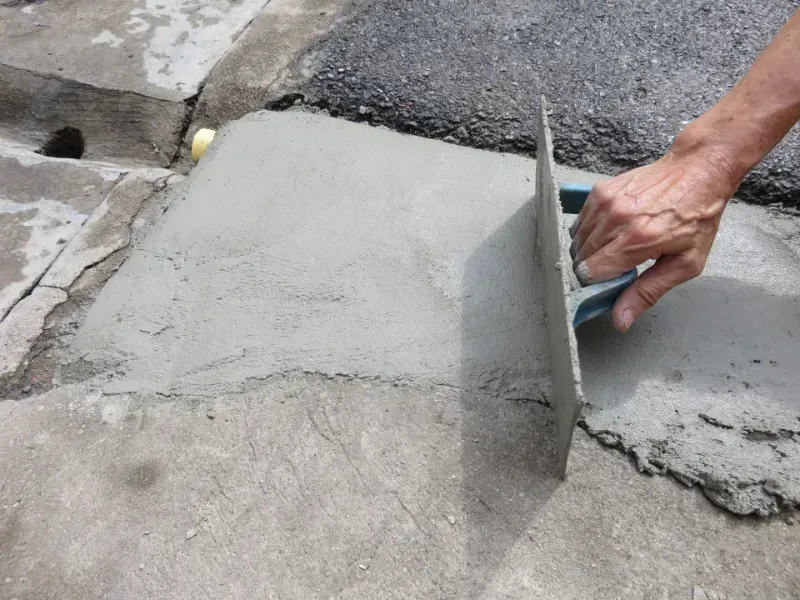
Many homeowners wonder whether concrete walkways should be repaired or completely replaced after damage first appears outdoors nearby today regularly. Small cracks, minor surface wear, and light flaking can often be repaired before problems spread further across surrounding concrete areas.
Severe damage may require replacing the walkway instead of performing simple repairs on weakened concrete surfaces entirely afterward later. Deep cracks, major sinking, and widespread deterioration often indicate larger structural problems underneath the concrete surface below ground level. In these situations, replacement may provide homeowners with a safer and longer lasting solution overall.
Protecting Concrete Sidewalks and Walkways Before Problems Get Worse
Protecting concrete walkways and concrete sidewalks starts with noticing small warning signs before larger problems develop outdoors nearby later altogether. Regular cleaning, checking for cracks, and improving drainage around residential properties can help concrete surfaces remain stronger for longer periods overall.
Reach out to Nava Concrete in Vancouver and call (360) 721-8093 today to schedule a consultation for concrete walkways and concrete sidewalks around your property outdoors. Professional concrete services help homeowners identify damage early, improve safety, and protect long term property value successfully.