Can You Extend an Existing Concrete Patio? What to Know
Extending an existing concrete patio is a practical way to create more outdoor space without replacing the entire slab. If your current patio is in good condition and the surrounding ground is stable, you can often add new concrete to make room for outdoor furniture, a barbecue area, or family gatherings. However, the condition of the existing patio, soil preparation, and drainage all need to be evaluated before construction begins.
Nava Concrete provides concrete patio installation, extensions, and other concrete services in Vancouver, WA, and surrounding areas.
Here's what you should know about extending your patio, including how new concrete connects to the existing slab, what affects the cost, and when replacement might be the better option
Can You Add New Concrete to an Existing Patio?
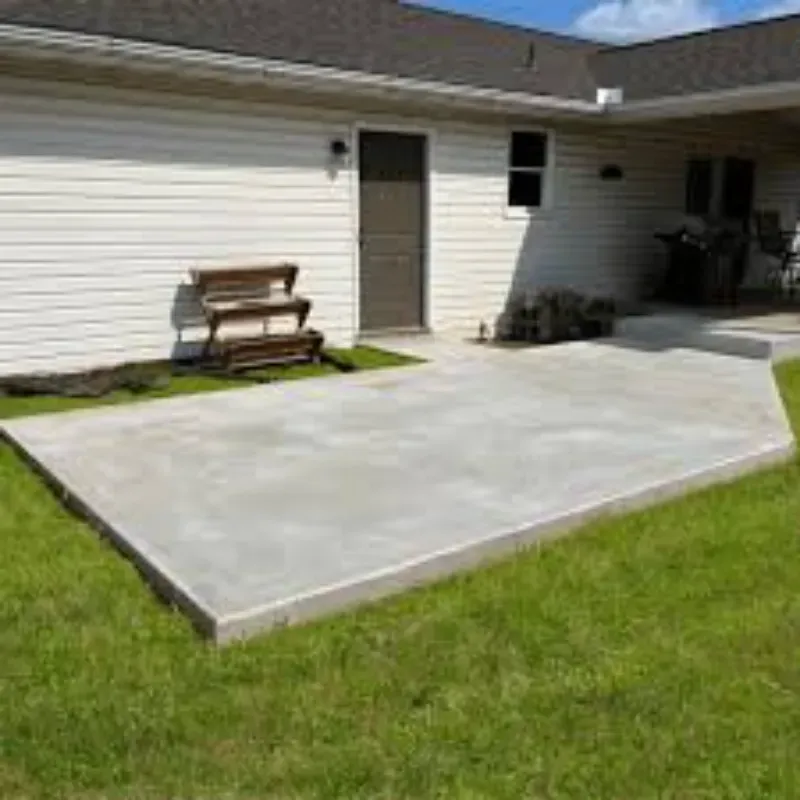
Adding new concrete alongside an existing patio is a common way to expand your outdoor living space. The extension is typically poured as a separate section next to the original slab, allowing you to increase the patio's size without removing concrete that's still in good condition.
For example, a patio that currently fits a small table and chairs could be extended to accommodate a grill, additional seating, or a larger outdoor dining area. This gives you more flexibility in how you use your backyard.
One thing to keep in mind is that the new and existing concrete won't automatically behave as one continuous slab. The sections may move differently as temperatures change or the ground settles. Proper joint placement helps accommodate that movement and reduce the risk of unwanted cracking.
Check the Condition of Your Existing Concrete Patio
Before extending your patio, take a good look at the concrete that's already there.
Small surface cracks or minor discoloration don't necessarily mean your patio needs replacing. However, large cracks, sinking sections, or areas that collect water could indicate problems underneath the slab. If the existing patio is settling or shifting, adding new concrete beside it won't solve the original problem. You could end up with two sections sitting at different heights.
A contractor should evaluate whether the current slab is stable enough to remain in place. In some cases, concrete repair services may help address existing damage before the extension begins. If the damage is extensive, replacing the patio might be the better long-term investment.
Ground Preparation, Soil Conditions, and Drainage
The ground beneath your patio is just as important as the concrete itself. Poor soil preparation can cause cracking, settling, and uneven surfaces over time.
Before pouring an extension, the new area typically needs to be excavated, leveled, and prepared with a properly compacted base. Drainage is especially important in Vancouver, WA, where frequent rainfall can leave outdoor areas wet for extended periods. Your patio should be designed so rainwater flows away from your home's foundation instead of collecting against it. The slope of the new extension also needs to work with the existing patio. Taking care of these details before pouring concrete can prevent expensive problems later.
How Is New Concrete Connected to an Existing Patio?
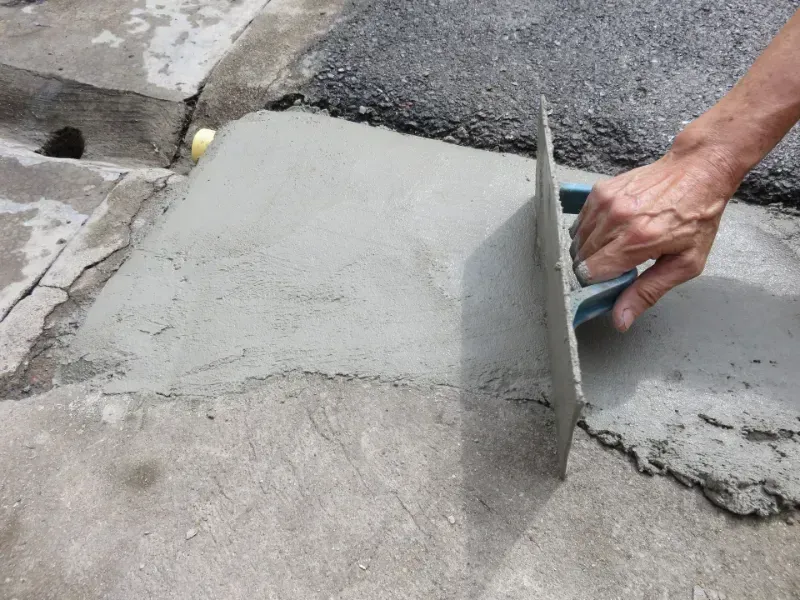
New concrete is typically installed alongside the existing slab with a properly designed joint between them. The connection method depends on the condition of the original patio and how the extension will be used.
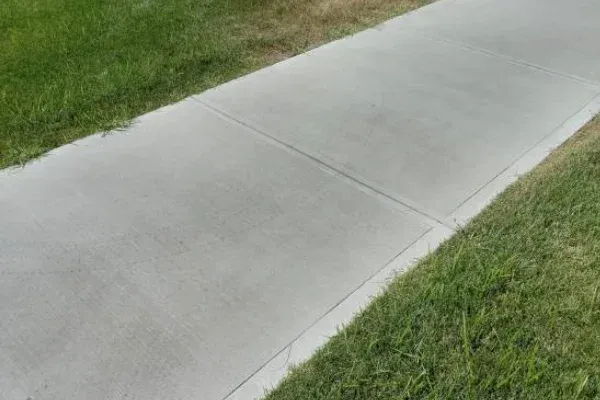
In some situations, contractors may use steel dowels to help keep adjoining slabs aligned. Other installations may benefit from a separation joint that allows the sections to move independently. Control joints may also be added to help manage where cracking occurs as the concrete shrinks during curing.
The goal isn't simply to make the new concrete touch the old concrete. It's to create a stable extension that handles normal movement without unnecessary damage.
Will the New Concrete Match the Old Patio?
New concrete usually won't match an older patio perfectly, especially when the original surface has been exposed to years of sunlight, rain, and everyday use.
Fresh concrete may look lighter or darker, and differences in finishing techniques can make the transition more noticeable. If your current patio has a broom finish, matching the texture can help the extension blend in. Decorative borders or intentional design changes can also make the two sections look more connected. For homeowners with decorative patios, exploring stamped concrete options may provide additional design possibilities. Rather than expecting a perfect match, it's often better to plan a finish that makes the extension look intentional.
How Much Does It Cost to Extend a Concrete Patio?
The cost of extending a concrete patio depends on the size of the addition, the condition of the site, and the amount of preparation required.
A straightforward extension on accessible, level ground will generally involve less work than one requiring extensive excavation, drainage improvements, or difficult equipment access. Concrete thickness, reinforcement, and decorative finishes can also affect the final price.
For example, adding a basic concrete seating area may cost less than creating a larger decorative patio with custom textures and borders. Because every property is different, the best way to understand your costs is to have a contractor evaluate the space and provide an estimate based on the actual work needed.
The Concrete Patio Extension Installation Process
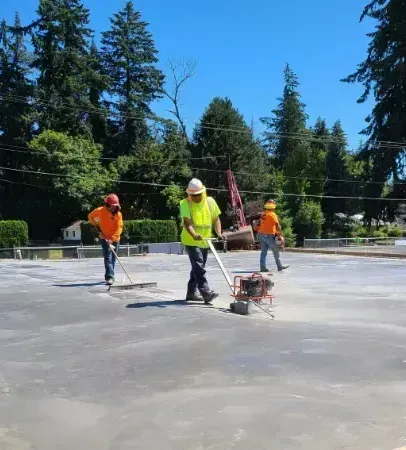
A patio extension starts with evaluating the existing concrete and determining how much additional space you need. The contractor then prepares the area by removing grass, soil, or other materials and establishing a stable base. Forms are installed to shape the extension, followed by any necessary reinforcement and joint preparation. Once everything is ready, the concrete is poured, leveled, and finished.
For example, imagine extending a backyard patio to create room for a larger dining table. The contractor would need to consider the existing patio height, nearby landscaping, and drainage before deciding how to prepare the new section. This is an illustrative example, not a documented Nava Concrete project.
After installation, the concrete needs time to gain strength. Light foot traffic may be possible before full curing, but your contractor should explain when the new surface is ready for use. Homeowners considering an extension can learn more about professional concrete patio installation and available finishing options.
When Extending Your Patio Makes More Sense Than Replacing It
Extending your patio often makes sense when the existing concrete is structurally sound and you simply need more usable space.
Keeping the original slab can reduce demolition work and unnecessary material removal. It also allows you to improve your outdoor area without rebuilding everything.
However, replacement may be worth considering when the patio has extensive cracking, significant settling, drainage problems, or a layout that no longer works for your needs.
Appearance matters, too. If having one consistent surface is important, replacing the entire patio may produce a more uniform result.
The right choice depends on your patio's condition, your budget, and how you plan to use the space.
FAQs
Can you extend a concrete patio without removing the old one?
Yes, you can often extend a concrete patio without removing the existing slab. The original concrete should be stable, reasonably level, and free from serious structural problems. If the patio has extensive cracking or settling, a contractor may recommend repairs or replacement before adding new concrete.
How long does a concrete patio extension take?
A concrete patio extension may take a few days to prepare and install, depending on its size, site conditions, and weather. The concrete also needs time to cure after installation. Your contractor should provide a project timeline and explain when you can safely use the new patio.
Will a concrete patio extension crack where it meets the old patio?
A concrete patio extension can develop cracks near the connection if the slabs move differently or the joint isn't properly designed. Contractors use appropriate joints and installation methods to manage movement and reduce unwanted cracking. However, no concrete installation can be guaranteed completely crack-free.
Ready to Extend Your Concrete Patio?
Expanding your concrete patio can give you more room to relax, entertain, and enjoy your backyard without replacing what's already there. The key is making sure your existing patio is in good condition and the new section is properly planned and installed.
If you're considering a patio extension, Nava Concrete can help you evaluate your space and determine the best approach for your property.
Reach out to Nava Concrete today at (360) 721-8093
to discuss your concrete patio project in Vancouver, WA, and surrounding areas.
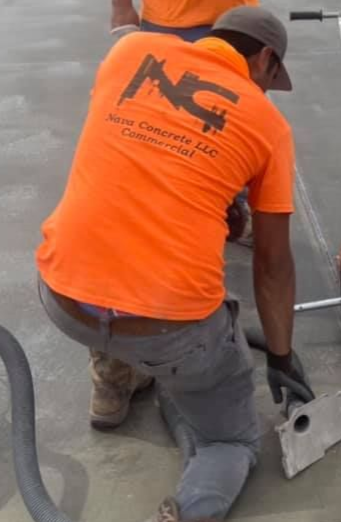
Expert Contribution by Pastor Nava,
Co-Owner of Nava Concrete LLC
As a second-generation concrete professional, Pastor grew up learning the trade from his father and uncle, building a strong foundation in quality craftsmanship. Since co-founding Nava Concrete LLC with his brother in 2018, he has helped homeowners and businesses throughout Vancouver, WA, and surrounding areas with concrete driveways, patios, sidewalks, repairs, and other concrete projects. With a passion for creating concrete surfaces that are both beautiful and built to last, he enjoys helping customers find the right solutions for their homes and properties.